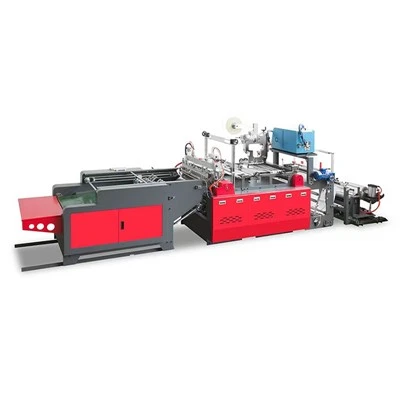
Daily maintenance of PVC zipper bag machine mainly includes film feeding system, heat sealing device, zipper feeding mechanism, cutting assembly, electronic control system, transmission components, etc.. Regular inspection of these areas helps maintain dimension accuracy, ensure high quality high-quality zipper sealing, promote operational stability, and reduce material waste and unplanned downtime. As a supplier of bagging equipment, we recommend that operators establish routine inspection and periodic maintenance schedules in accordance with the procedures set out in the equipment manual.
1.Check the film delivery system
feeding system is responsible for the stable transmission of PVC films to thermal the heat-sealing and cutting stations. Instability during feeding can lead to bag length bias, film misalignment or material wrinkling.
Daily inspections should include:
-Check the surface of the feed rollers for stains, abrasions or material residue.
-Check that guide rollers rotates smoothly and without abnormal noise.
Check the stability of the film tension to ensure that there is no relaxation or displacement during feeding.
-Verify that that photoelectric sensors or other positioning devices,if equipped, are functioning properly.
During maintenance, remove dust or film debris from roller surfaces and guide rail components in a timely manner and inspect all relevant fasteners. For products that require high feeding precision, bag length and film positioning should be verified periodically.
2.Check the the Heat-Sealing Unit
The sealing quality of PVC zip-lock bag is directly affected by the quality of thermal sealing device. Unstable temperatures, damage to heating components or uneven sealing pressure can lead to weak sealing, local overheating or bag deformation.
Areas of focus include:
Heating elements: Check for proper heating, damage or temperature readings abnormalities.
Temperature control system: Verify that temperature displays, sensor and control functions are operating properly.
-Thermalsealing mould: ensure that the sealing surface is smooth and free of residue or serious wear.
Pressure mechanism: make sure that the compression action is stable and the distribution of sealing pressure conforms to the process requirements.
During production, monitor and adjust temperature, pressure and residence time (sealing time) according to material thickness and actual quality of seals. Do not simply apply parameters of other materials or attempt to solve the problem of weak seals by simply raising the temperature.
3. Check zipper feeding and positioning mechanism
The quality of PVC zip-up bag depends not only on the edge seals, but also on the stability of the zip-up feed and the accuracy of the bag position. Inaccurate positioning zippers can be aligned, inconsistent in length or incomplete in seal.
Recommended checks:
-Ensure smooth operation of the zipper feed rollers and guide components.
-Check for zipper jamming, gear shifts or feed irregularities.
-Verify that positioning mechanism and related sensors are working properly.
-Make sure the relative position of the zipper and bag is in line with product design specifications.
For zippers of different width or structure, make sure that guidance and positioning settings are appropriately adjusted. When switching to different zipper specifications, perform a small batch test run to verify the zipper's position, on/closing functionality, and seal integrity.

4. Inspection of cutting blades and cutting mechanisms
The cutting blade is responsible for dividing the bag or cutting the finished products. Its condition directly influences the neatness of the edge of the bag, the size of the finished product and overall production efficiency.
In the course of routine maintenance, the following should be noted:
-Check for abrasion, scratches or dullness of the cutting edge.
-Ensure smooth vertical movement of blades and no abnormal collision sounds.
-Check that the blade is securely installed and in the correct position.
-Check the cut edges of the bag to make sure they are clean and free of adhesions, burrs or incomplete incisions.
If the cutting quality deteriorates, check the condition of the blade, the mounting and the cutting mechanism before deciding whether it needs to be adjusted or replaced. Always follow equipment safety protocols before cleaning or replacing the blade: close the machine and disconnect all power/energy sources to prevent accidental start or cut.
5. Inspection of drive elements and pneumatic system
Driven components and pneumatic system drive feeding, pressing and cutting operations. Any loosening, air leaks or tardiness can interfere with the the equipment's operating cycle and affect the consistency of production. Inspection items include:
Key Maintenance Highlights of Inspection Area
Inspection of abnormal noise, vibration and temperature rise by motor and reducer
Belts and Chains Check tension, wear and connection
Bearings and Guide Rails Ensure smooth operation and lubrication as required
Pneumatic Cylinders and hoses to ensure correct operation and check for air leaks
Check for pressure, filtration and drainage status
Lubrication shall be carried out in accordance with the position, interval and lubricant types specified in the equipment manual. Not all components require lubrication, especially to make sure they don't contaminate thermal seals, PVC film or zippers.
6. Inspection of Electrical Control Systems and Safety Devices
Electrical control system manages material feeding, temperature, timing and equipment operation. Faults in sensors, wiring or control components may result in equipment downtime, inaccurate temperature control or incorrect operating sequence.
Daily inspections should include:
-Check that control panel, screens and operation buttons are functioning properly.
-Check for any alarms from temperature controllers, sensors or positioning detection devices.
-Inspecting cables, joints and exposed wires for damage or loosening.
-Test the emergency stop button and all installed safety guards.
Only after the power has been cut, confirmed and all necessary safety measures have been taken must the cabinets be inspected internally, wiring tightened and troubleshooted by qualified personnel. Do not open electrical cabinets or remove safety devices while the equipment is running.
7. Develop routine and regular maintenance plans
Formalizing inspection procedures is more effective in ensuring long-term, stable operation of the equipment than simply performing maintenance after a failure.
Inspection of recommended maintenance cycle
Check the feed path, air supply, safety equipment and exterior condition daily (before Startup).
Daily (post-production) cleaning of film debris, inspection of thermalsealing and cutting areas
Weekly Check fasteners, actuators, guidance mechanisms and pneumatic hoses
Periodic inspection of lubrication, tool wear, temperature control accuracy and conformity of electrical components to specifications
Specific maintenance intervals shall be adjusted according to equipment type, operation time, production environment and manufacturer's maintenance requirements. After each maintenance, a test run is conducted to verify bag length, seal quality, zipper positioning and cutting accuracy. Document any anomalies encountered and corrective action taken.
FAQ: Maintenance of PVC Zipper Bagging Machine
Q1: Does the PVC zipper bag maker need to be cleaned daily?
It is recommended to remove any film scraps from the feed path, the area around the heat sealing station and the cutting section at the end of each production shift to prevent residue from interfering with subsequent processing.
Q2: What should be checked first if the PVC zipper bag is unsafe to seal?
First inspect the heat seal temperature, seal pressure, stay time and condition of mold/seal mold surface. At the same time, the consistency of PVC film and zipper material with existing process parameters is verified.
Q3: How to determine if the bag cutter's cutting blade needs replacing?
If the blade has significant scratches or abrasions-burrs, incomplete cuts or uneven edges persist despite making sure the blade is fitted and cut correctly-you should consider sharpening or replacing the blade.
Q4: What checks do bag-makers need to make before resuming operations after a long downtime?
Check air supply systems, material feeding and transmission components, heat sealing devices, cutting blades and safety protection systems. Once it is confirmed that the equipment is in normal working condition, carry out airload test run and small batch test production in accordance with the established operating procedures.