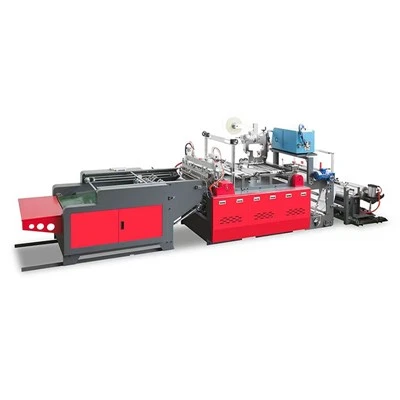
Maintenance of the folding machine focuses primarily on the stability of the mechanical structure, the smooth operation of the drive system, and the long-term preservation of forming precision. During daily operation, drive components such as guide rollers, bearings, and gears should be lubricated regularly to minimize frictional wear and prevent issues-such as unstable operation or increased noise caused by dry friction-that could compromise folding quality.
Particular attention should be paid to the condition of the folding mechanism and the pressing unit. As these components are subject to constant operational stress and are prone to loosening or wear, they require regular tightening and adjustment to ensure consistent folding angles and pressure. Additionally, paper scraps, adhesive residue, and dust must be promptly cleared from both the exterior and interior of the machine to avoid interfering with material transport and folding accuracy.
Maintenance of the electrical and control systems is equally critical. Routine checks should be performed to verify secure wiring connections, sensor responsiveness, and the stability of the PLC control system, alongside the timely updating or backing up of parameter settings. Standardized maintenance practices help extend the equipment's service life, enhance operational stability, and ensure sustained processing precision and production efficiency.